This is a bit of a throwback post as I currently do not do any apple pressing. I used to though, it was a big part of the job. Before I worked on the farm there was a big hail storm, which turned all the fruit into a second class crop in seconds. It was difficult to find a way of using the crop and making money, Cider makers wouldn’t want that much. It was decided they needed to turn that second class crop back into a first class crop. Apple juice is a great way to do that with the added bonus of a long shelf life with no added energy costs for storage.
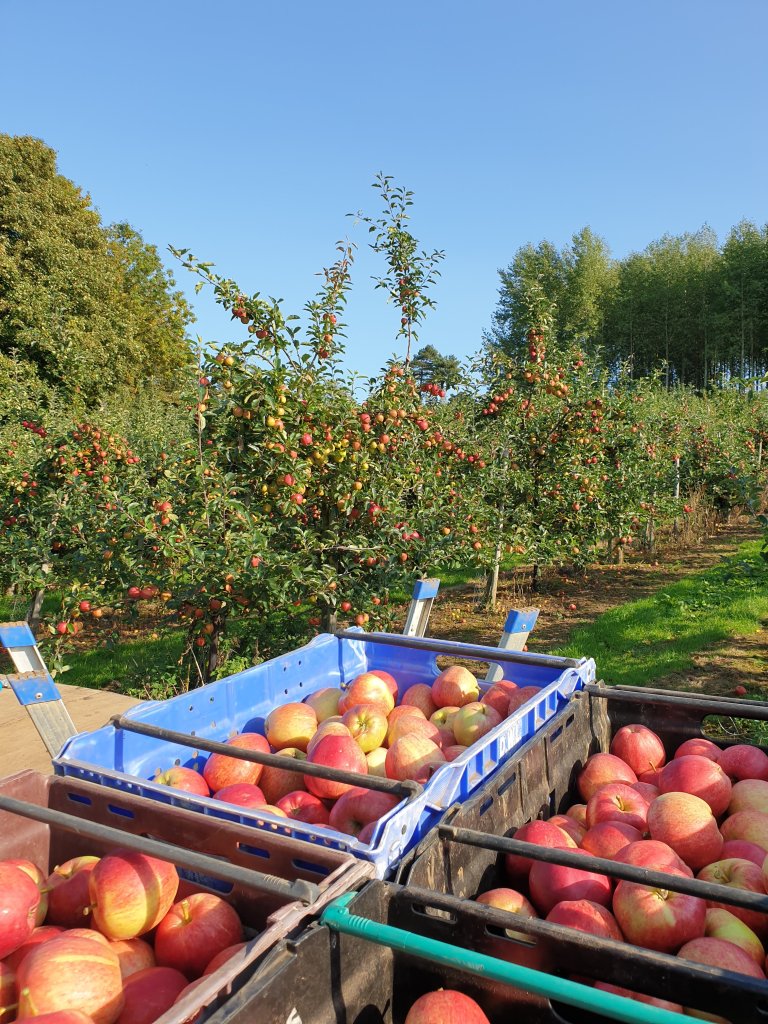
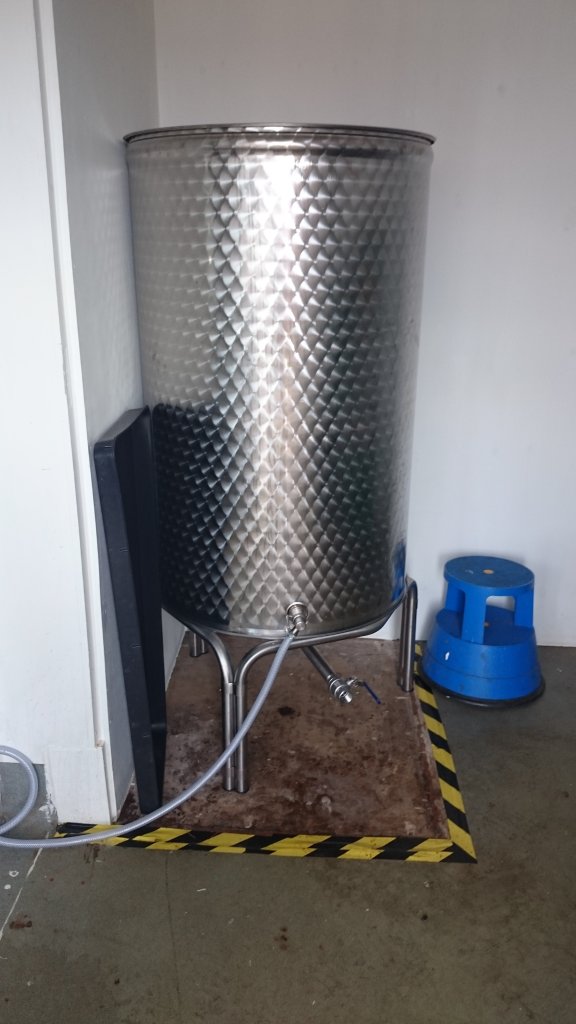
When I joined, the farm was still doing this and it was lucrative but we were sending it to a farm in Wisbech (Almost 75 miles away!) to get it pressed…after travelling there, it then had to come back (Let alone the returning journeys). My boss at the time heard of an Orchard down south sadly closing and went to see if there was anything we could buy. That farm had a Voran hydraulic packing apple press and tanks for juice storage etc. So we bought them amongst other things.
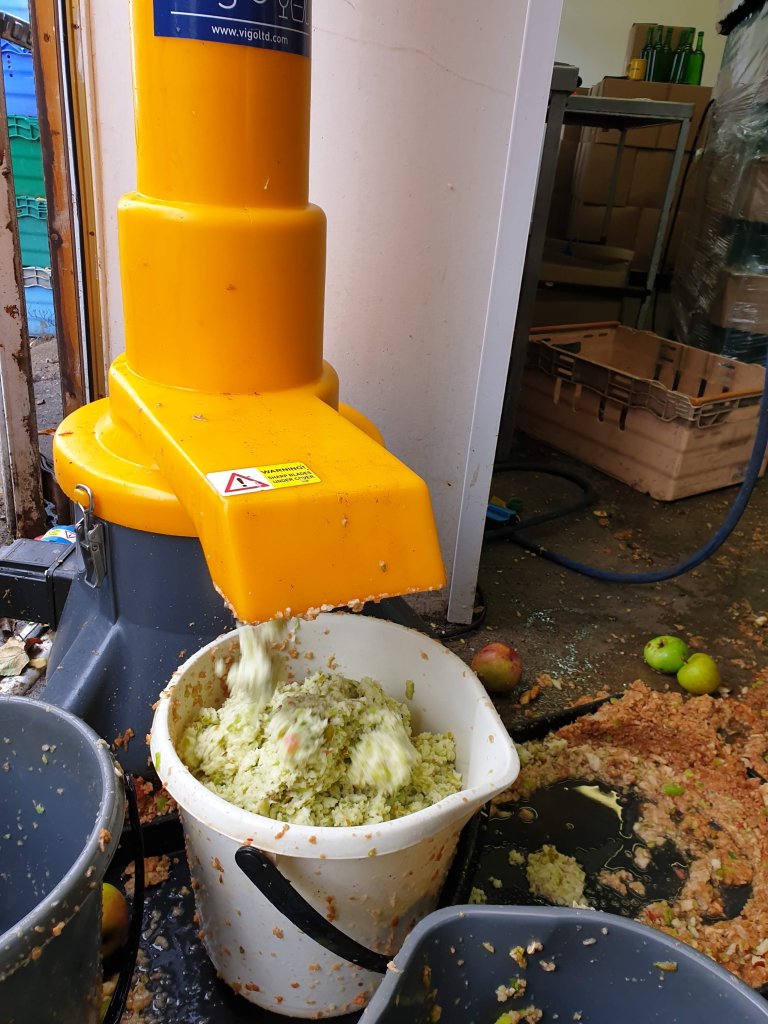
Now our second class apples could be pressed literally next to the fields…No food miles except from the farm to your door or shop! The hydraulic packing press was very loud sadly but it did the job very well. We milled the apples and scooped the resulting pulp into the cheesecloth layers. Pressed start, collected the juice and put it into the tanks to settle overnight.
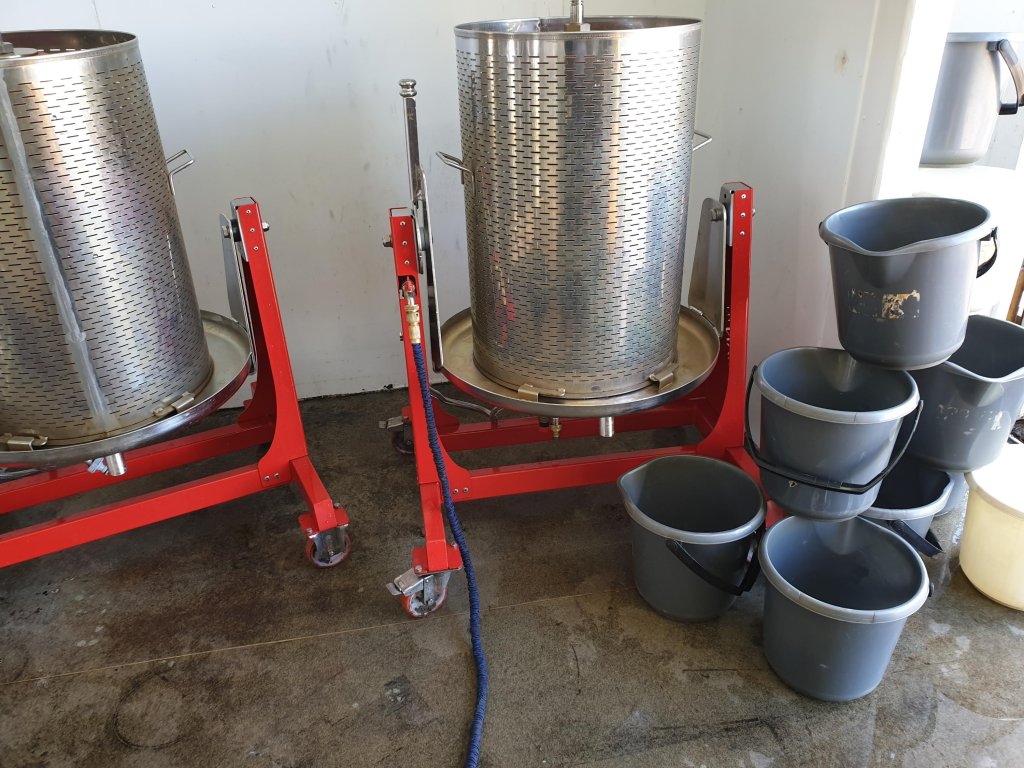


After a couple of years we made enough profit to buy 2 hydro presses and a mill. The mill was still loud but the presses were so quiet. We had a water pressure problem as we were on a hill which meant we were not extracting as much juice as possible. The next year we bought a pump and instead of working of the main water supply, we filled an IBC with collected water and used this to solve the water pressure problem. This worked a treat and we were getting as much juice as was possible out of the pomace. It was also quicker as you could almost juggle the 2 presses so as one was emptying you could fill the other and vice versa. The clean up was also easier. Cleaning apple pulp that had knitted into the cheesecloths on the hydraulic press was a nightmare.


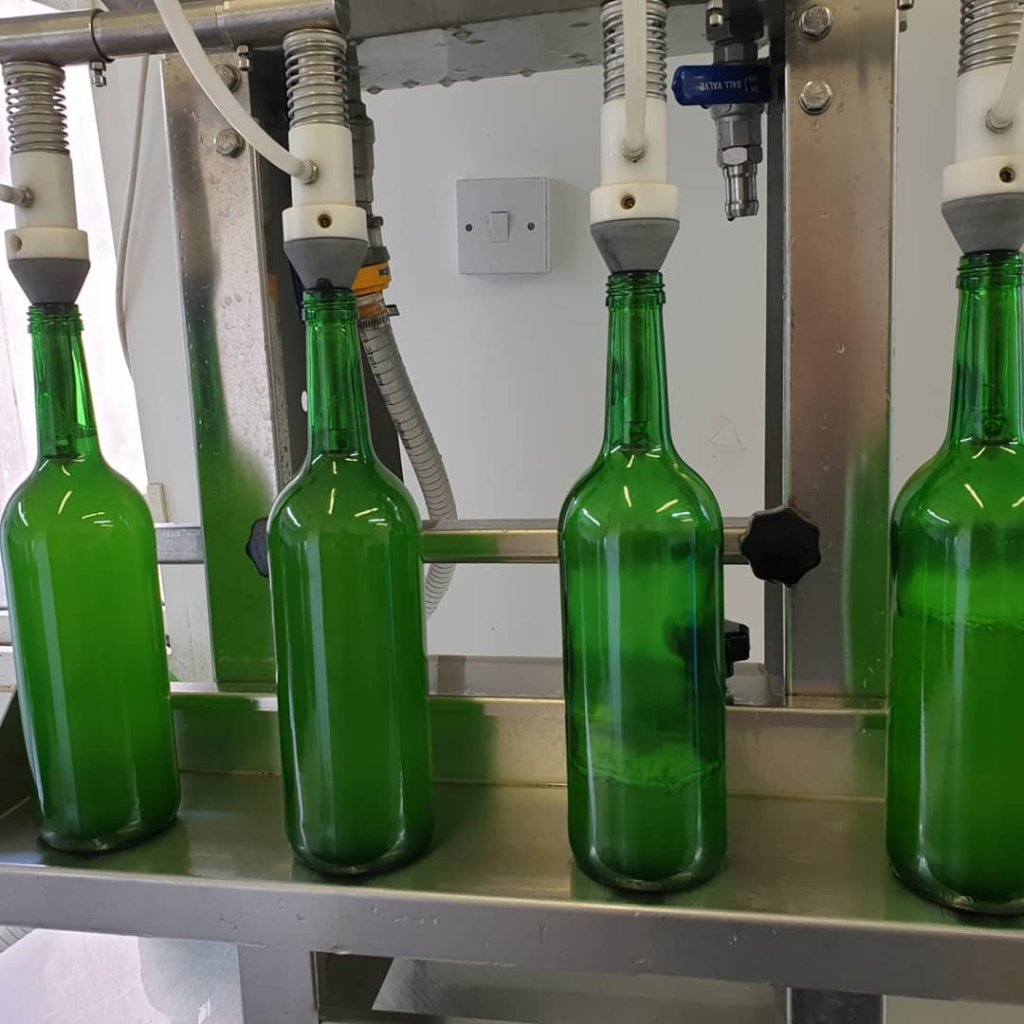

After the juice had sat in the tank overnight to settle we would use a smaller pump to pump juice from the tanks into the bottling machine. We borrowed the bottling machine from a friend until we bought it off him the in the end. It would fill four bottles at a time which sounds terrible but it was quite quick.
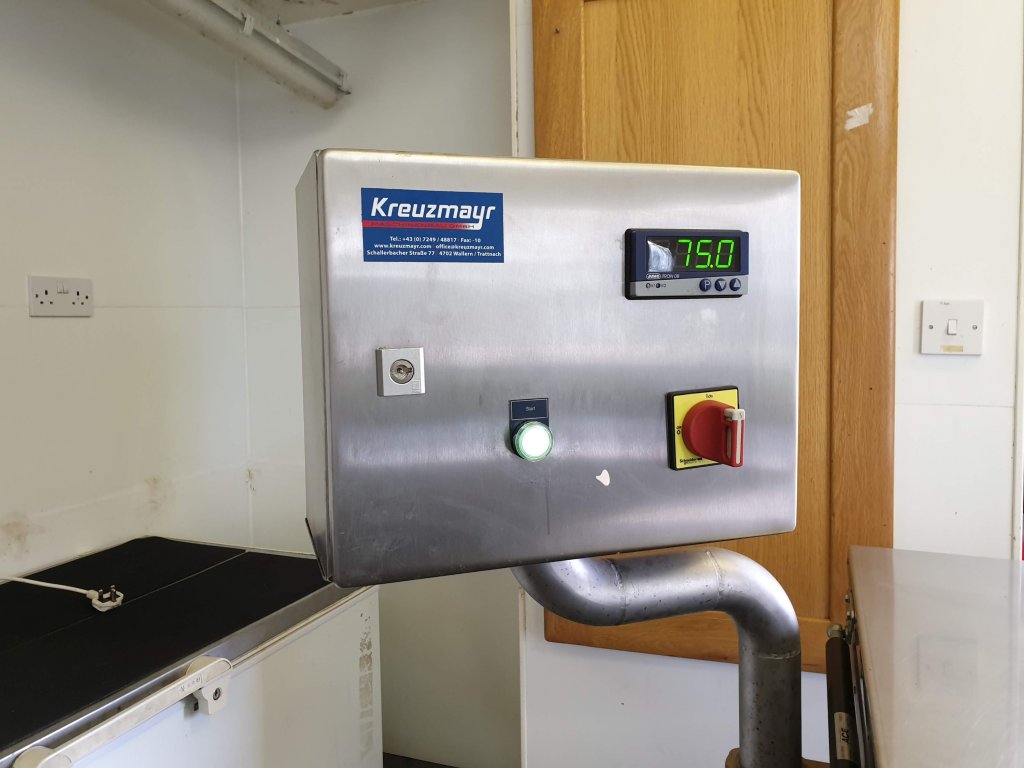
The longest part of the process and probably most expensive was the Pasteurizer. It was basically a giant kettle which you set time and temperature. It would fit 103 bottles of juice in at a time and would be a long days work to do the 900 litres. Our plan was to get a flash pasteuriser but this didn’t happen before our farm sadly closed.
A painful lesson learnt was screwing on the lids. I had blisters on my hands because the bottles were hot from the pasteuriser and we had to screw them on by hand. Gloves were provided but it made it too clumsy to be quick. You were always on the clock with the pasteurising. My colleague found a gadget which would screw the lids on for us, similar to a Dremel. This meant we could be quick and no more blisters. I’m eternally grateful! Speaking of hands, I would often end up with stained brown and black palms of hands from the tannins in the apples. My daughter used to be really embarrassed and tell me I was not to shake the hands of teachers at school.
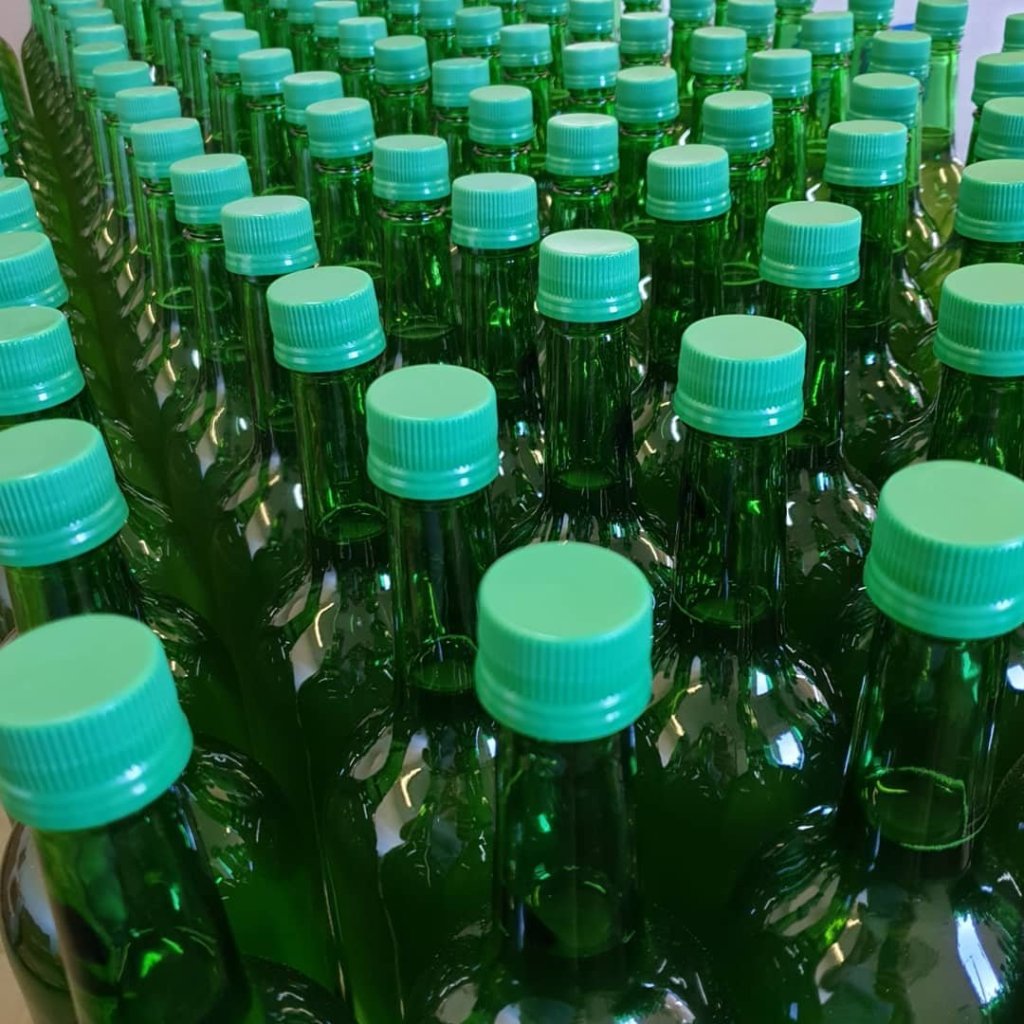

We ended up with six single varieties of juice and an mixed blend we named English orchard. The single varieties were Cox, Discovery, Egremont Russet, Worcester, Braeburn and Ashmeads Kernel. We also had a Bramley/Cox blend which was my favourite. Apple pressing was very hard work physically but so rewarding. We had a finished product with a long shelf life, Customers could see us pressing apples coming in from our orchards as they were buying their Fruit, Juice and Honey, also our food miles were minimal. What about the pomace? I got asked that a lot, we had cattle and they loved it!
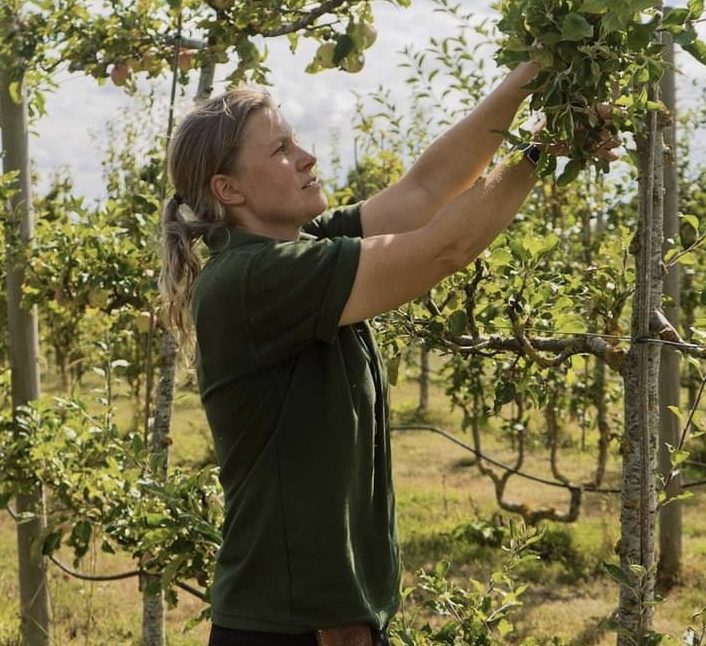
 The Grounded Orchardist
Leave a comment