I wanted to chat about actual orchards as I visit them for my own research and maybe it will help others with theirs! It should probably start where my orcharding journey began. The pictures aren’t great as they’re off older phones.
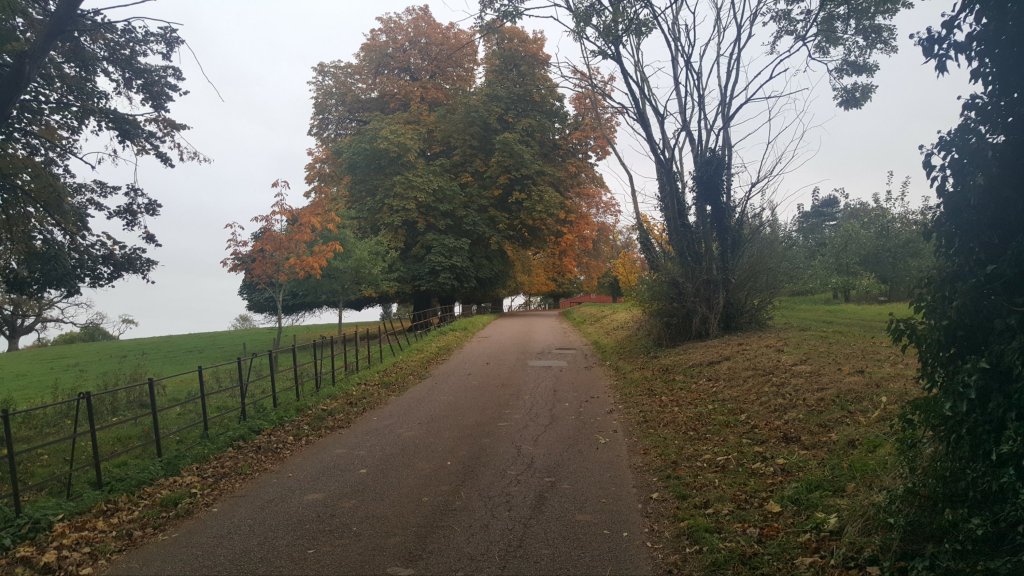
This entry is a bit of a weird one as the farm has been sold and may not be an Orchard for much longer. As we speak it sadly hasn’t been farmed since I left 1.5 years ago. However, it felt wrong not to chat about it. The previous owner (my old boss) had owned it for 40ish years and it was a fruit farm long before that. I worked there for 6.5 years and worked up to being the Orchard and fruit Supervisor, also briefly managing it at the end and sadly wound it down ready to be sold. I also used to pick fruit there when I was younger. At its peak we had 5 orchards spanning 33 acres in total, we sold 4 acres of that a few years ago. The main farm site was on a hill, with lovely views and big slopes that I never got used to walking up….or driving tractors and trailers around when it was muddy. That got your heart racing I can tell you!!
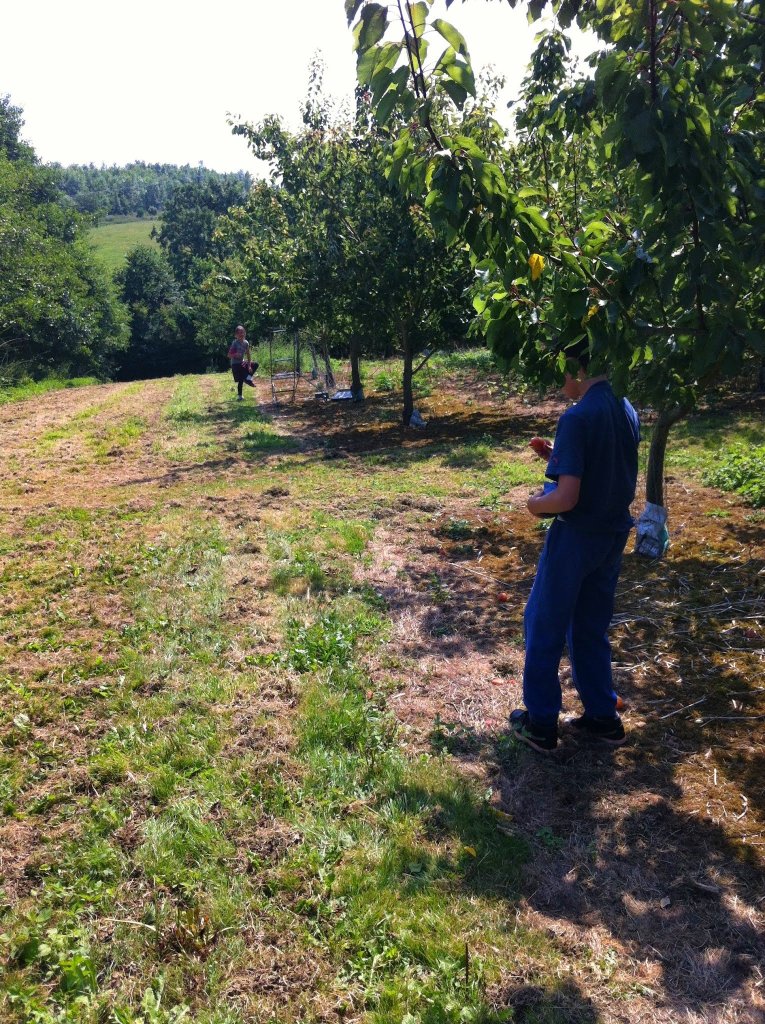
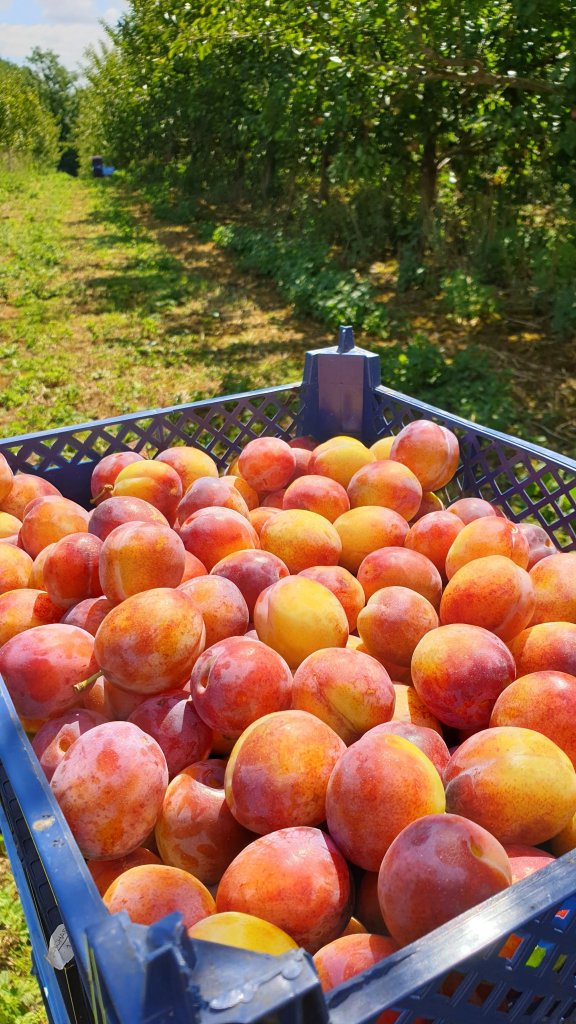
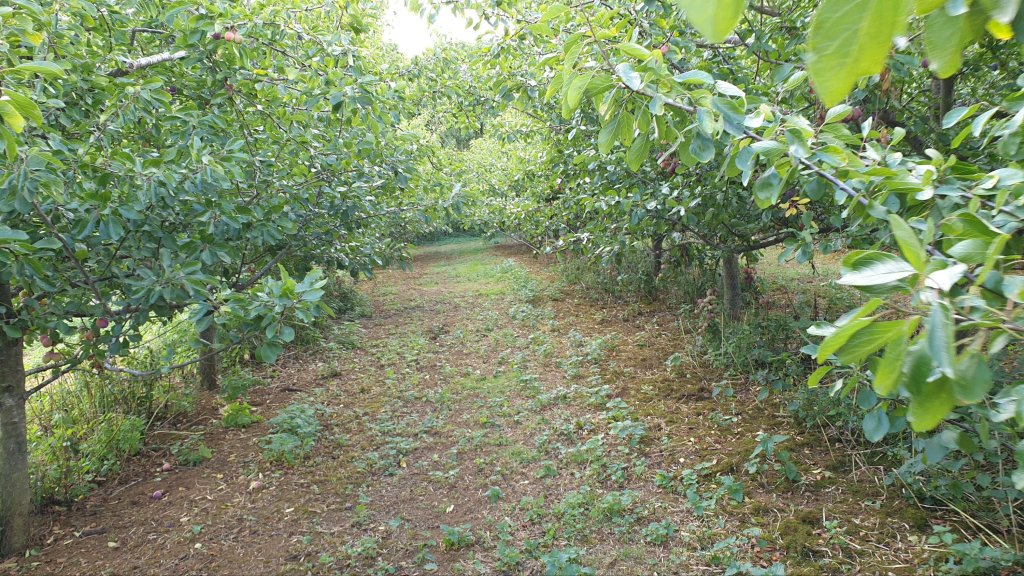
The Anthem field (the 4 acres we sold) had established Victoria, Jubilee, Haganta and Opal Plums and Tomcot and Flavourcot Apricots, we also used to have various varieties of Raspberries, Blackberries and Tayberries up there. Rabbits were our biggest problem there I think. Gosh it would hurt when you drove over a rabbit hole you forgot about obscured by grass. You’d jump off your seat and bang your head of the side of the tractor cab.


On the main farm site we had the 1st orchard. This flanks the right hand side of the farm drive as you drive up towards the farmhouse. With Sheep or cattle on the left and enormous Horse Chestnuts and Oaks…pretty idealic really. This had all apples including roughly 100 year old Cox’s orange pippin and 80 year old Bramleys. Gala (royal, regal and galaxy), Jonagold, Festival, Early Windsor, Howgate wonder, Egremont Russet, Worcester, Golden noble, James grieve and Blenheim Orange. We were in the process of rejuvenating some of this orchard by replacing some of the trees…I would have fought for the older ones though! The Bramleys, Cox’s orange pippin and Worcester were all open-centred…I really like open-centred trees. The rest were pruned as standards.
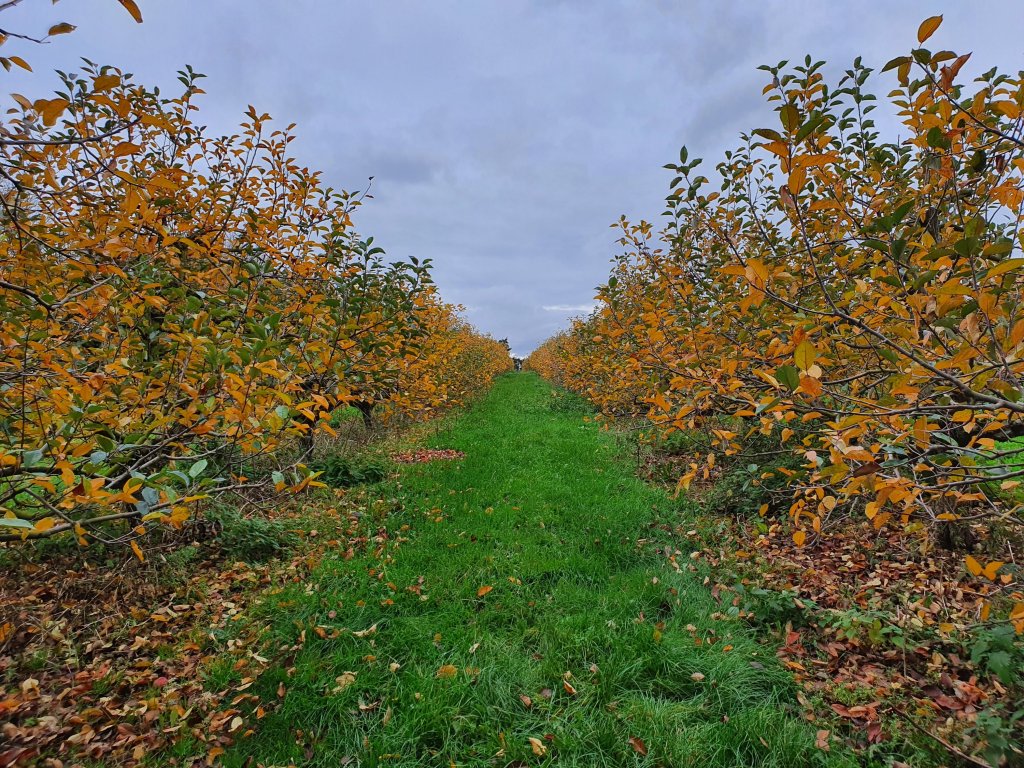


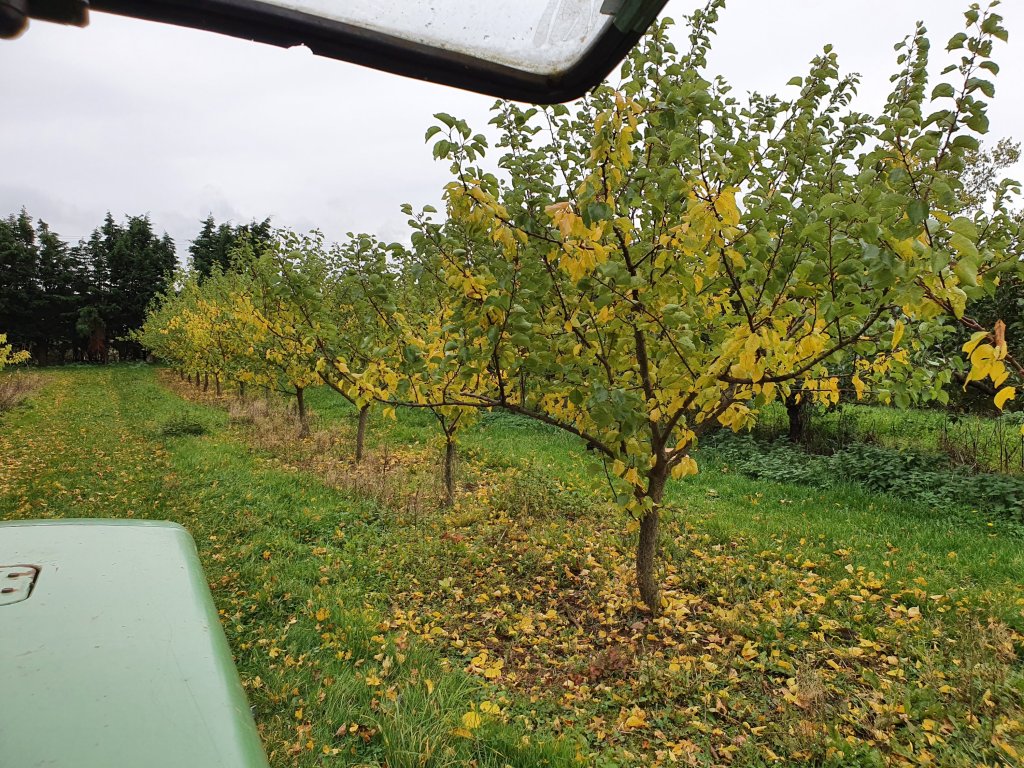
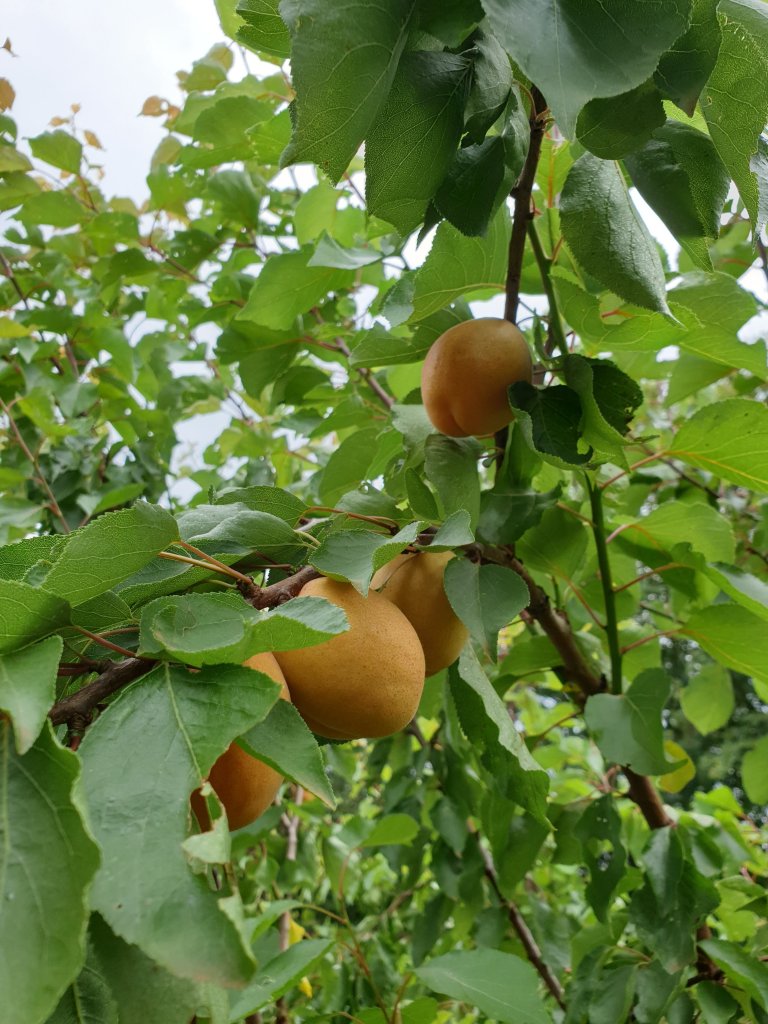
The 2nd orchard was predominantly Braeburn but also had Queen Cox, Cox “La vera”, Discovery, Idared, Zari and Zonga apples also Tomcot and Flavourcot Apricots. It was quite enclosed compared to the others and if it was really windy I would try to find work there as you were sheltered, saying that, it wasn’t enough to shelter you from the sun though! A lovely orchard except for the moto cross track next door. Wednesdays and Sundays were like torture working next to that and no amount of loud music would drown it out!


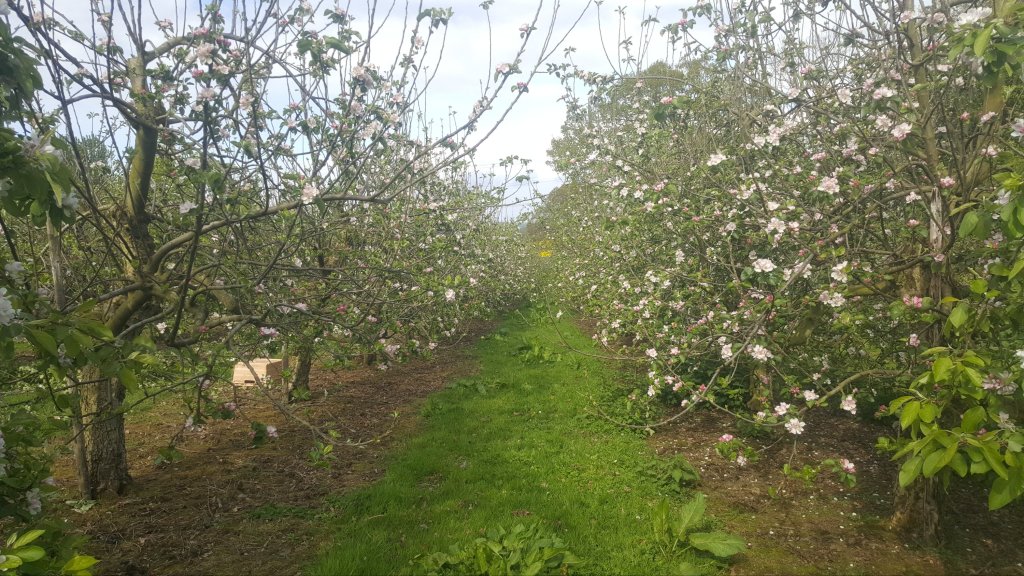


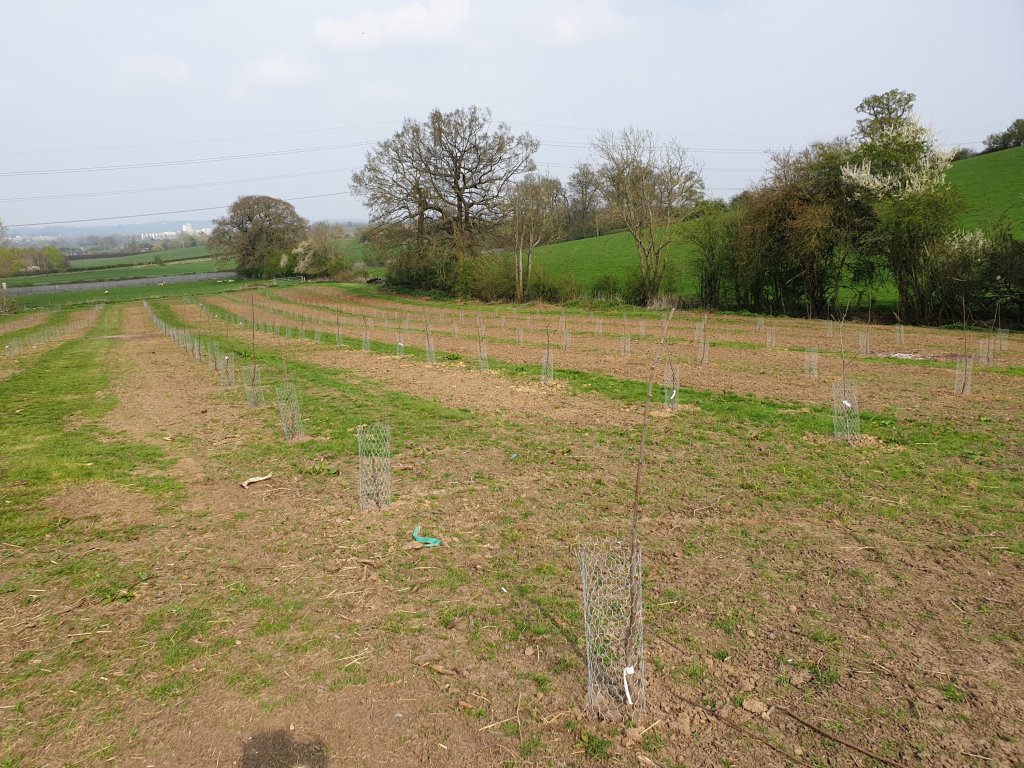

The 3rd Orchard was a mix of Conference and Concorde pears, Marjories seedling, Opal, Victoria, Excalibur, Early Victoria plums, Greengages and Damsons. Also Braeburn, Cox, Gala, Zari, Zonga, Early Windsor and Egremont Russet apples. This orchard was very traditional, wild and boggy. I really like it though.

We planted a new orchard which we named Steve in the end. 😄 Steve had Bramleys, Early Windsors and Braeburn “Mariri Red”.
It’s worth mentioning that the orchards evolved a lot over time with what customers were wanting. Perhaps the trees needed replacing because of disease or tiredness or maybe people just didn’t want those apples anymore and were replaced with something else. We grubbed out a fair few apple trees from the 3rd Orchard to make way for extra plums to replace the ones in the 4 acres we sold. Over the years there were lots of different varieties, we had big old Spartan trees before I worked there and I was always asked by customers to grow them again.
At the beginning of the season we would grade for orders out in the orchard but when we got busy we had to get the fruit in and grade in our grading shed. We had 4 cold stores and a walk-in chiller to store fruit in. We wanted the cold stores to be empty by February really to ensure a quality crop for our customers. Also there was a lot of seasonal jobs building.
We pressed our own juice on site. A satisfying job but messy and hard work. We started with a hydraulic press which we then sold after making a bit of money to replace with 2 hydropresses. Once we sorted out the water pressure these were much more efficient and thankfully a lot quieter! Pressing our own juice was a no brainer, it used the fruit that would otherwise go to waste and with the amounts we were pressing it was cheaper for us to do it ourselves. Beforehand we were shipping it off to Wisbech to get pressed. How great that we could say the fruit and juice only left the site with customers or to be delivered to customers, virtually no miles! It was however time consuming and could only be done in the busy season. We were also able to offer to press other people’s apples, nice to be able to help out local people and businesses.
We didn’t want to supply supermarkets so we kept it local and supplied Farm shops, small local shops, Farmers markets, walk in customers, we also had our own farm shop for a time.
We were not organic but having said that there was a really good variety of well established habitats up there, a thriving ecosystem really with plenty of beneficial insects, and other helpful creatures. I’ll write about that another time.

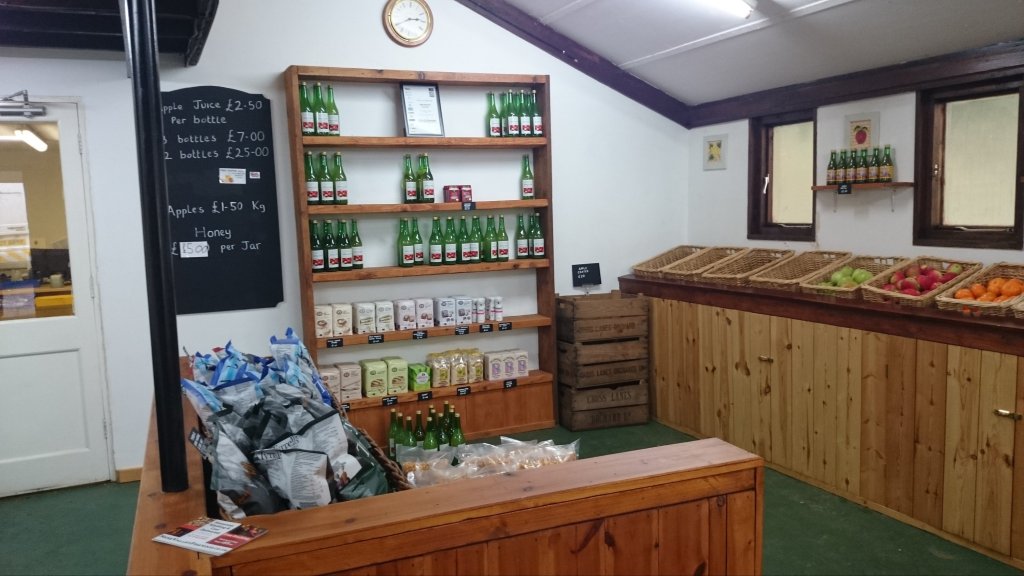


The farm shop was short lived and we tried a few times over 40ish years. Its difficult to get one up and running unless you have dedicated staff etc. One of my first jobs was to set up and run it. We only opened it Fridays and Saturdays to start with and sold seasonal fruit, Apple juice, Honey, Firewood, Beef and Lamb…all from our farm. Then we added a few staple items from a wholefoods shop, local coal merchant and fresh veg from a local wholesaler but when buying in small amounts at first it’s difficult to get the price down for the customer. It was an interesting insight and learning curve but I just wanted to be outside in the Orchard.
We also kept our own bees and sold the resulting honey, beeswax and honeycomb. The fruit, surrounding arable fields, weed pockets and thousands of bulbs we planted around the site (just for them!) Kept a long blossom season for them and of course they aided pollination for our trees. In fact they did such a good job there’s grounds to believe we were over pollinated. Resulting in lots of fruit thinning, not a bad problem to have but 33 acres of fruit thinning by hand gets very tiresome in the end. It wasn’t my favourite job! Anyway, I could go on but that was the farm in a tiny nutshell.
 The Grounded Orchardist
Leave a comment