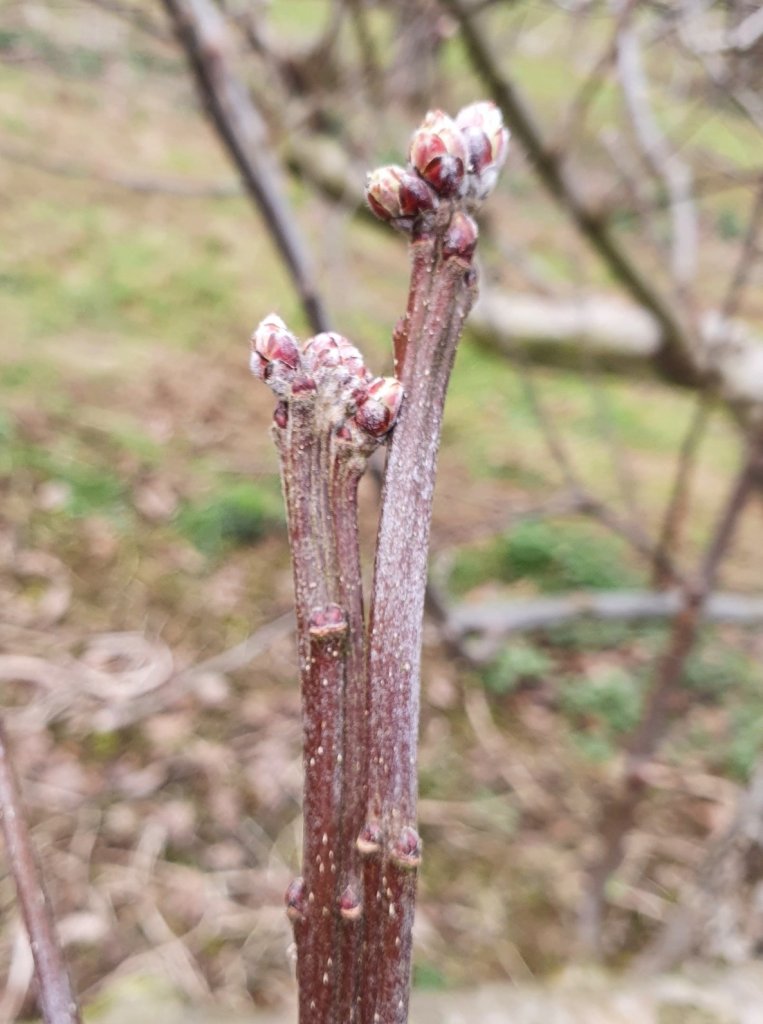
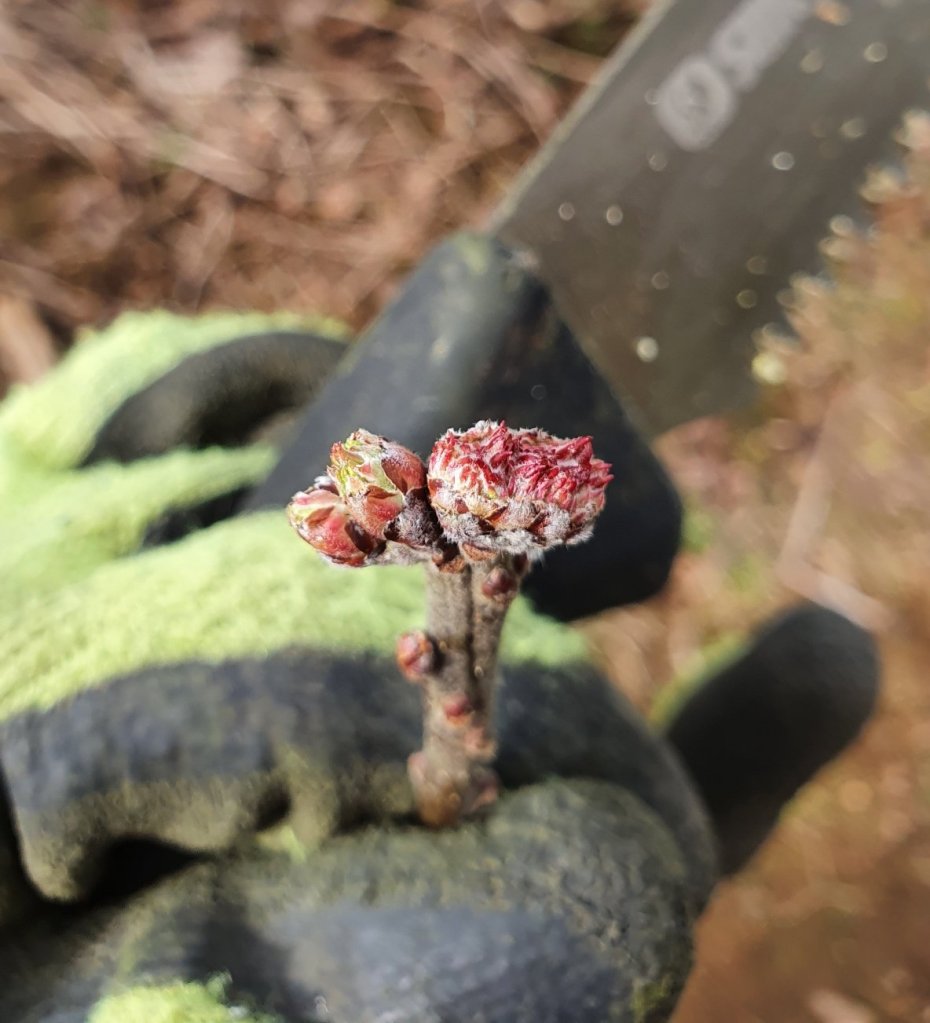
When I was studying Horticulture I was fascinated to learn about Fasciation. The anomaly that effects any part of the plant in a mutated twisted fashion. A glitch in the matrix!

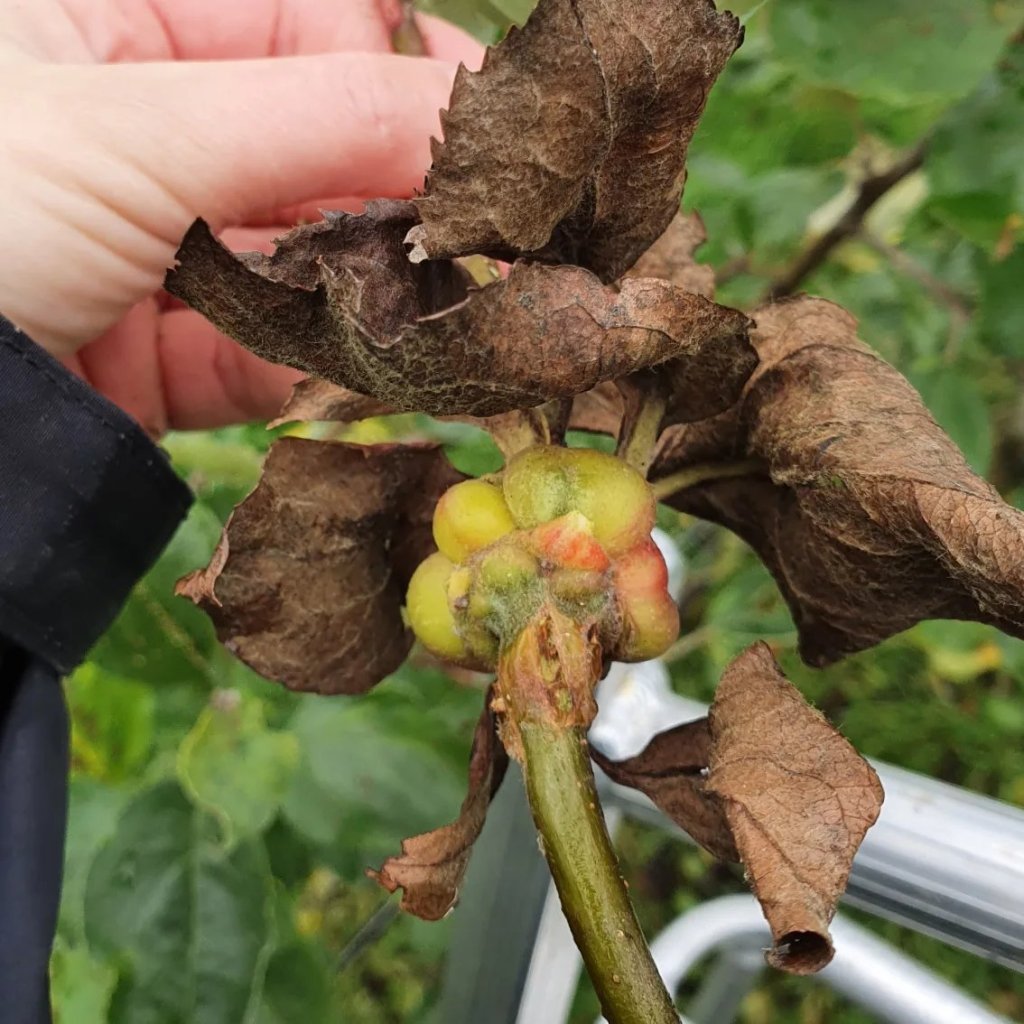
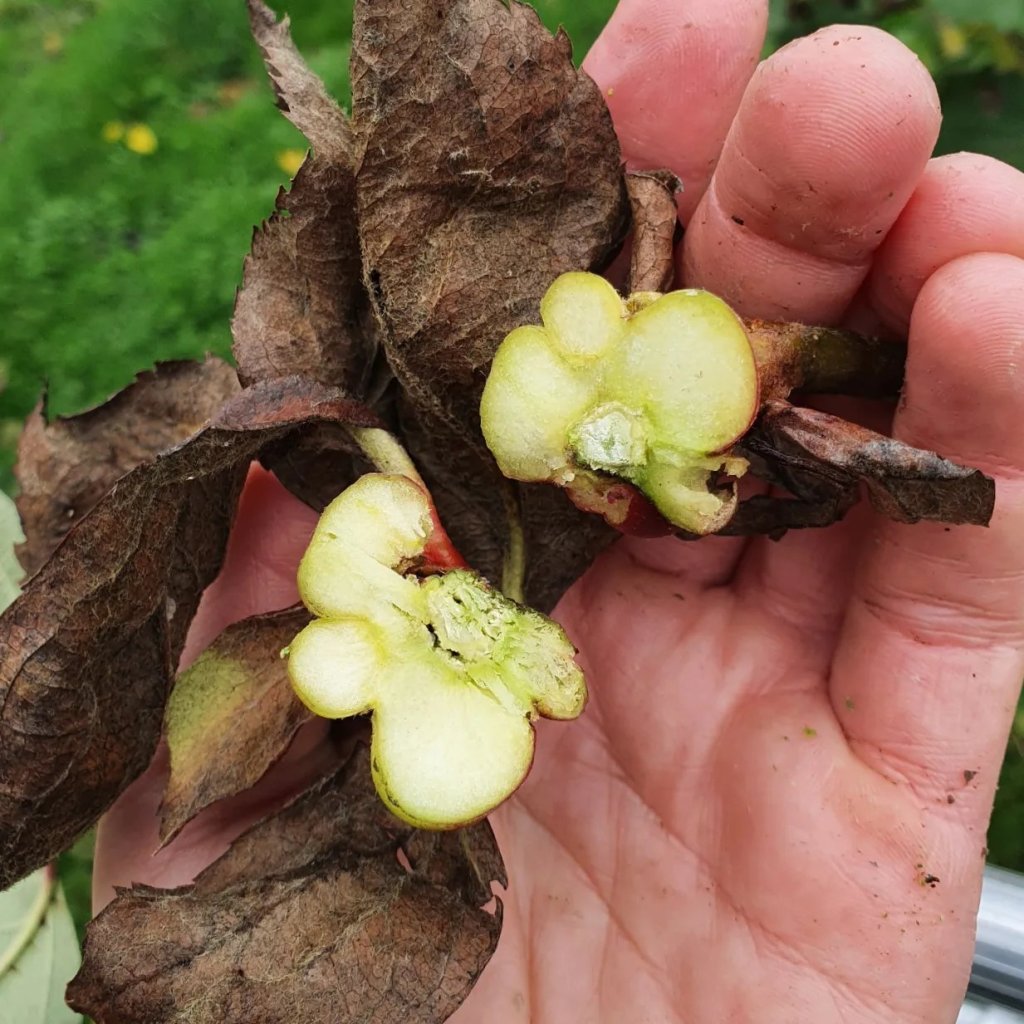
It doesn’t happen often and anything can cause it. Generally it’s thought to be some kind of damage. Whether animal (birds, deer, rabbit, aphids), natural (weather), mechanical (tractor, trailer, cultivator)…or man (a knick in the wrong place from the saw or secateurs)! It’s also potentially genetics, bacterial or viral infection. Or maybe a perfect combination of some of the above.
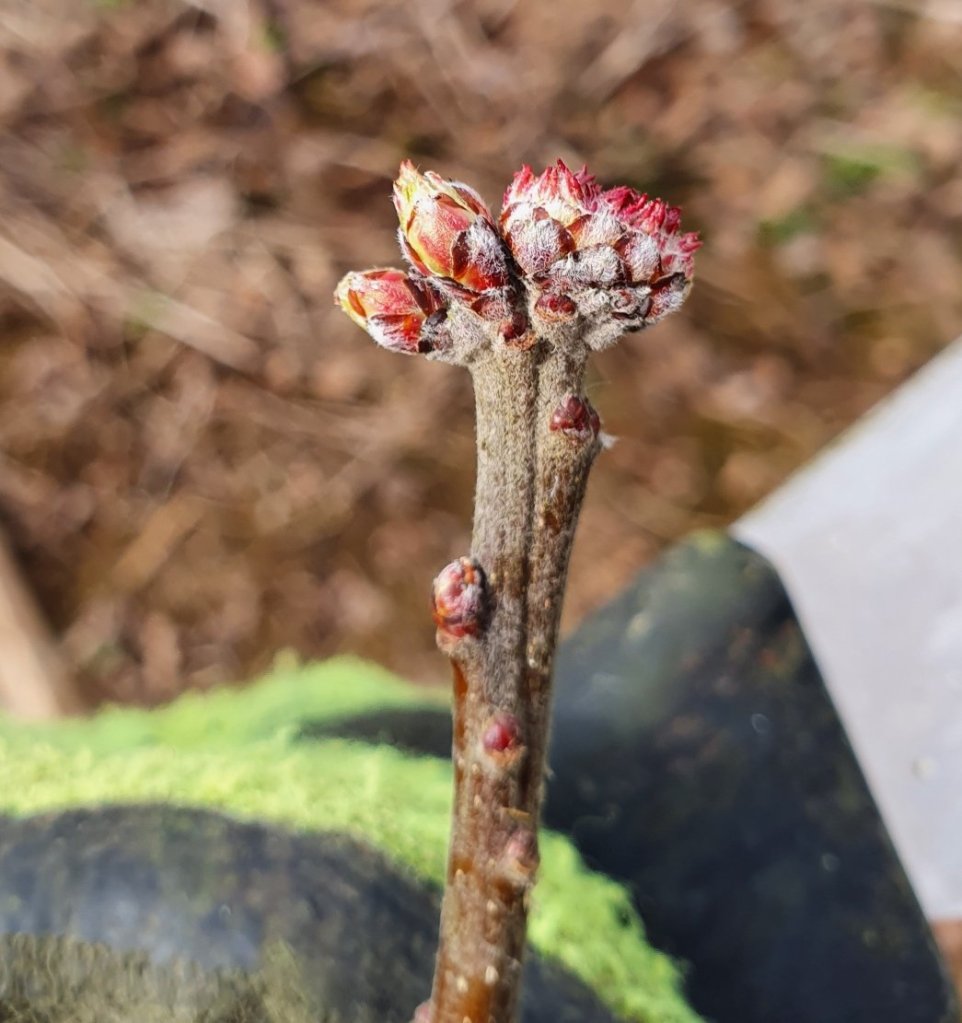
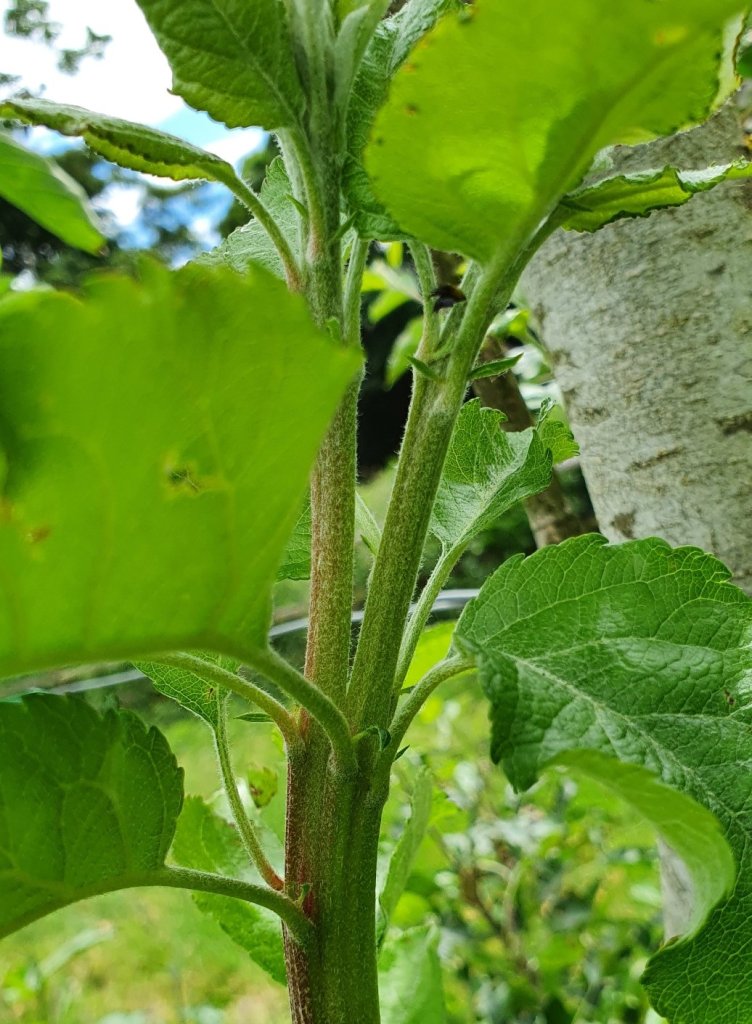
Like I said, it can effect any part of the plant. Branches, flowers, fruit even roots. I mostly find it on the new branches on fruit trees. It seems to be much more prevalent on apples than any other top fruit in my experience.
All plants can get it, Daisy’s and Sunflowers give a good fasciation display. Florists even use fasciated stems in their displays. Our florists used fasciated willow stems for our halloween displays this year.
So, what do i do when i see these weird mutations? I admire them, then prune them out at the base if its a branch. If it’s a blossom or fruitlet, I may keep it for comedic effect and a morale boost later on. As for the mature fruit, its still the same just a bit bigger with a slightly different make up. Think double yolker! Or put it aside for juice.
Fasciation is nothing to worry about with fruit trees. See below for more fasciation pics. Although it’s not desirable it always make me happy when I see it!



 The Grounded Orchardist
Leave a comment