So, you want to buy a fruit tree. You look online, in a catalogue, at a garden centre, or even a supermarket nowadays. You are met with a whole host of varieties…that’s possibly the easiest part.
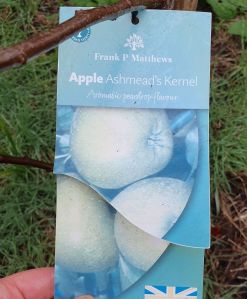
You read the labels and you are met with rootstock type, if you’re lucky it will also mention pollination partners needed to ensure a crop.
Simply put, it’s not quite as easy as just buying a fruit tree.
How to decide which fruit tree varieties to buy
It’s good to have an idea of a few varieties you would like to grow. Which do you like to eat? A good way of finding this out is to go to an apple day or pyo fruit farm etc. Unless you are happy with the few you know from the supermarkets which is fine as well.
Another thing to think. What are you going to use the fruit for? Cooking? Juicing? Cider? Eating fresh? Storing? Will you use it all? Will you be happy if some were left for wildlife or left to fall in turn adding to the soil by use of natural decomposition? Do you want to plant for heritage/local/historic reasons?
Which rootstocks should I buy?
Then, there’s the rootstocks. It’s a good idea to work out how big you would like this tree to get? Do you need it to be contained or trained in some way? Do you want it to naturally grow small but as a standard tree, do you want it to get big?
After deciding this, does that rootstock fit your soil conditions? Some are better in clay than others for instance.
Fruit pollination partners
After this, think pollination partners, you may get lucky if there are trees around you in neighbouring gardens. Even if your neighbours do have apple trees it doesnt mean they are suitable. Is there a crab apple tree nearby for apple pollination as they are long flowering. However, some varieties need 2 pollination partners…again, do your research.
Which tree should I select in a shop
Once you have decided on your tree, it is now the perfect time to buy bare root trees. This is the cheapest way to buy a tree for a relatively quick return. If buying from the garden centre or store you should be looking for nice healthy damp roots. If they are dry and brittle, don’t buy unless on offer and you’re willing to risk it. The roots should be able to move without snapping with visible moisture.
Once you have bought your tree
If you can’t plant your tree straight away, then keep the roots damp and cool…do not allow to freeze. We used to pack damp straw around the roots on the farm and then let them soak in water before planting.
When ready, plant asap!
 The Grounded Orchardist
Leave a comment