-
 Continue reading →: Understanding Orchard Allies: Wildlife That Supports Apple Growth
It is estimated that around 117 different species help pollinate British apples over the entire season. This includes 46 species of Bee. inc. Bumblebees, honey bees, mining bees and leaf cutter bees. It stands to reason they are often also helpful in other ways too. I used to spray the…
-
 Continue reading →: Summer Pruning for Disease Prevention in Organic Fruit Growing
It’s been a very strange year. The warm, wet winter we’ve had with barely any frosts has made fungal diseases very happy this year. As an organic fruit grower, air and light are two of my biggest helpers. They help combat fungal diseases like scab, powdery mildew, brown rot, and…
-
 Continue reading →: Identifying and managing pear rust
It’s pear rust time again. The orange splodges on the leaves below is Pear rust. This is an easy to spot fungal disease. It affects pears in spring and summer. It cleverly releases spores to overwinter on Junipers and evergreen shrubs in winter. The picture above shows the tell-tale orangey…
-
 Continue reading →: Why Wasps and Aphids Matter in Organic Orchards
In many ways, this has been a season like I have never known whilst being an Orchardist. There was an unseasonably warm and wet winter, a late frost, not enough chill hours for some varieties…sadly, the list goes on! Two glaring oddities are the lack of aphids and the fact…
-
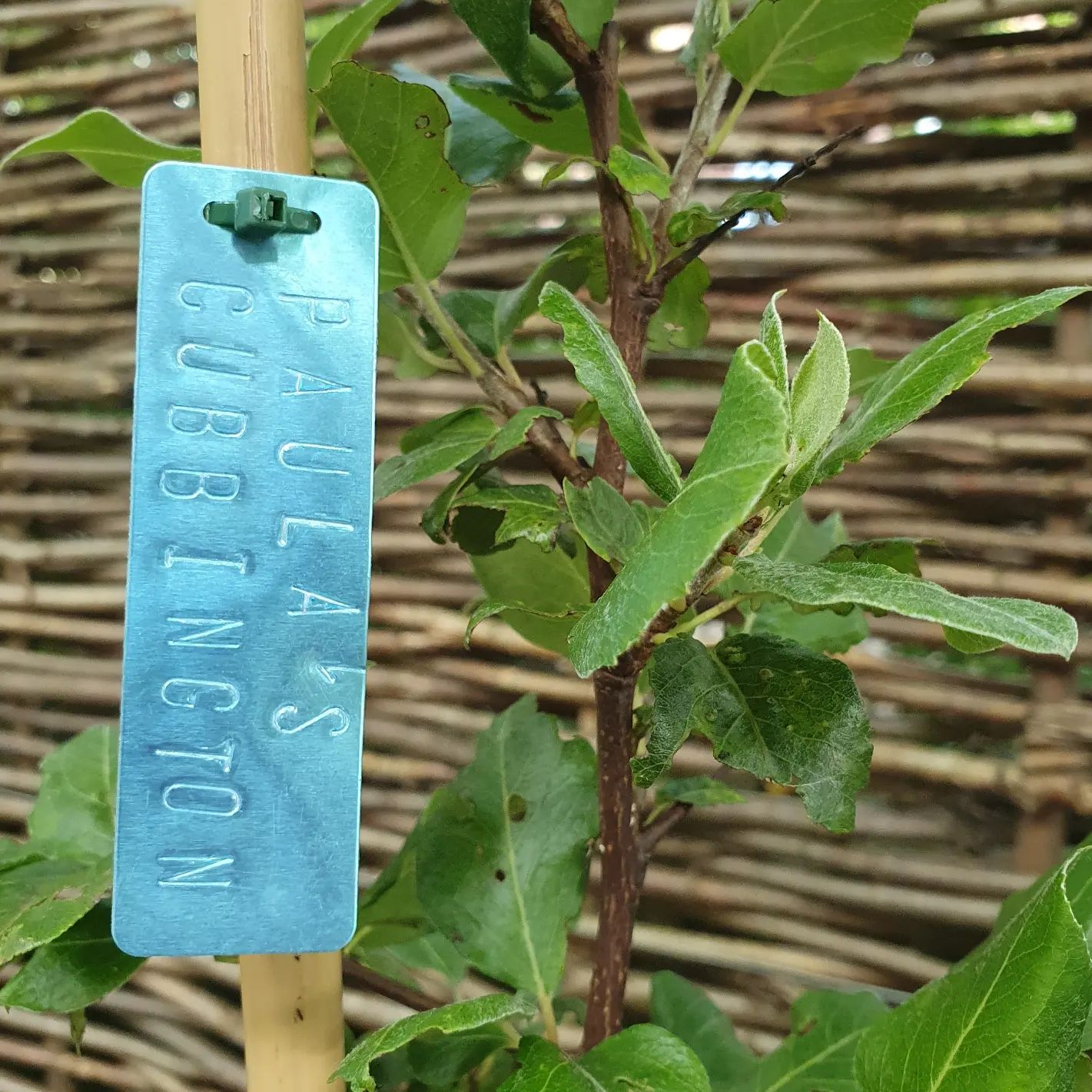 Continue reading →: The History and Legacy of the Cubbington Pear Tree
The Cubbington pear was a wild pear in a hedgerow of a field just outside of Cubbington, Warwickshire. It was voted tree of the year in 2015. It was the second largest pear tree in the UK but more importantly, it was 250 years old and was still bearing fruit!…
Professional help, advice, and consultation for your fruit growing adventures

Welcome to The Grounded Orchardist, my website dedicated to all things fruit related from fruit growing to orchard planning and maintenance, pest control to pruning trees, organic fruit growing to working with nature, and everything in between.
Join me on my journey as I learn to be a better fruit grower, teaching and learning from you along the way.
Paula
Let’s connect
Join my newsletter
Stay updated by joining my newsletter.
Recent posts



apple apple pests apple problems apple pruning apple thinning Beneficial insects beneficials biodiversity British fruit growing bugs caterpillars Climate change Environmental Problems fruit disease fruit farm fruit grower Fruit growing fruit pests fruit problems Fruit thinning Fruit tree maintenance fruit tree problems fruit tree pruning fungal disease gardening growing apples grow your own integrated pest management ipm orchard orchard biodiversity orchard husbandry orchardist orchard life organic organic fruit growing organic orchard Pear Pear pruning pest control Pests Pruning Stone fruit top fruit working with nature